Creating a Harmonious Home: The Importance of Room Design
In today’s fast-paced world, our homes have become sanctuaries—a place where we unwind, connect with loved ones, and express our individuality. The thoughtful design of each room in a home plays a crucial role in fostering comfort, functionality, and a sense of belonging. By understanding the purpose of each space and how to enhance it, homeowners can create an environment that reflects their lifestyles while also promoting well-being.
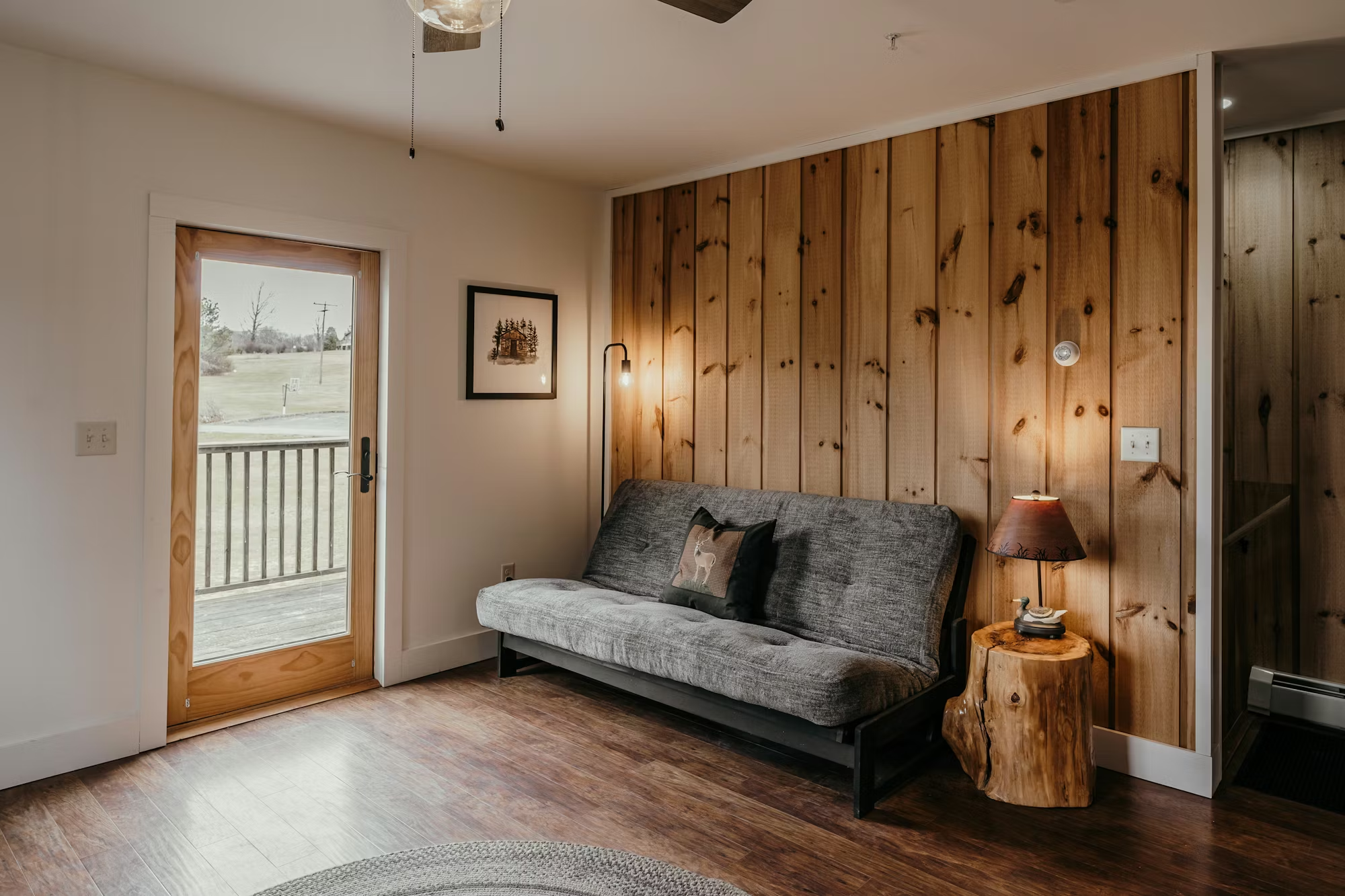
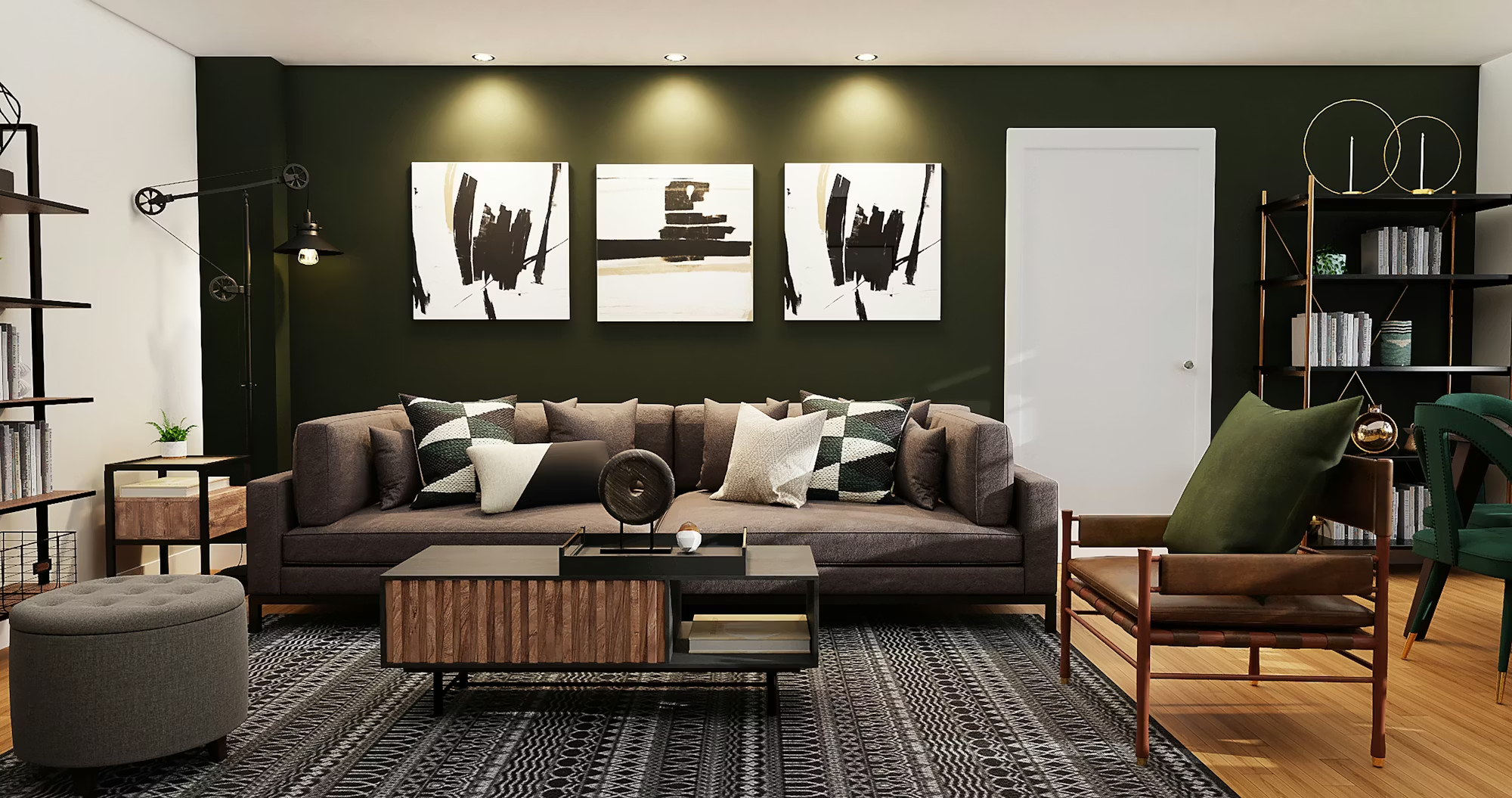
The living room is often the focal point of a home, serving as a communal space for relaxation and socialization. It’s where families gather to share stories, watch movies, and entertain guests. To maximize the appeal of this vital area, selecting comfortable furniture is paramount. Sofas and chairs should invite lounging, while tables should be easily accessible for snacks, drinks, or games. Consider the layout carefully; an open concept allows for fluid movement and interaction, which is particularly beneficial during gatherings.
Natural light enhances the warmth of the living room, making it feel more inviting. Large windows or glass doors not only brighten the space but also connect the indoors to the outdoors, creating a seamless transition. Incorporating light, airy colors can further enhance this effect, making the room feel more spacious. Additionally, layered lighting—using a combination of ambient, task, and accent lighting—can set the perfect mood, whether it’s for a cozy family night or a lively party.
Transitioning to the kitchen, often dubbed the heart of the home, design choices can greatly influence its functionality. A well-organized kitchen is a joy to cook in, and it should be equipped with high-quality appliances, ample counter space, and efficient storage. The classic work triangle—the relationship between the stove, sink, and refrigerator—remains a timeless principle that aids in creating a workflow that is both efficient and enjoyable.
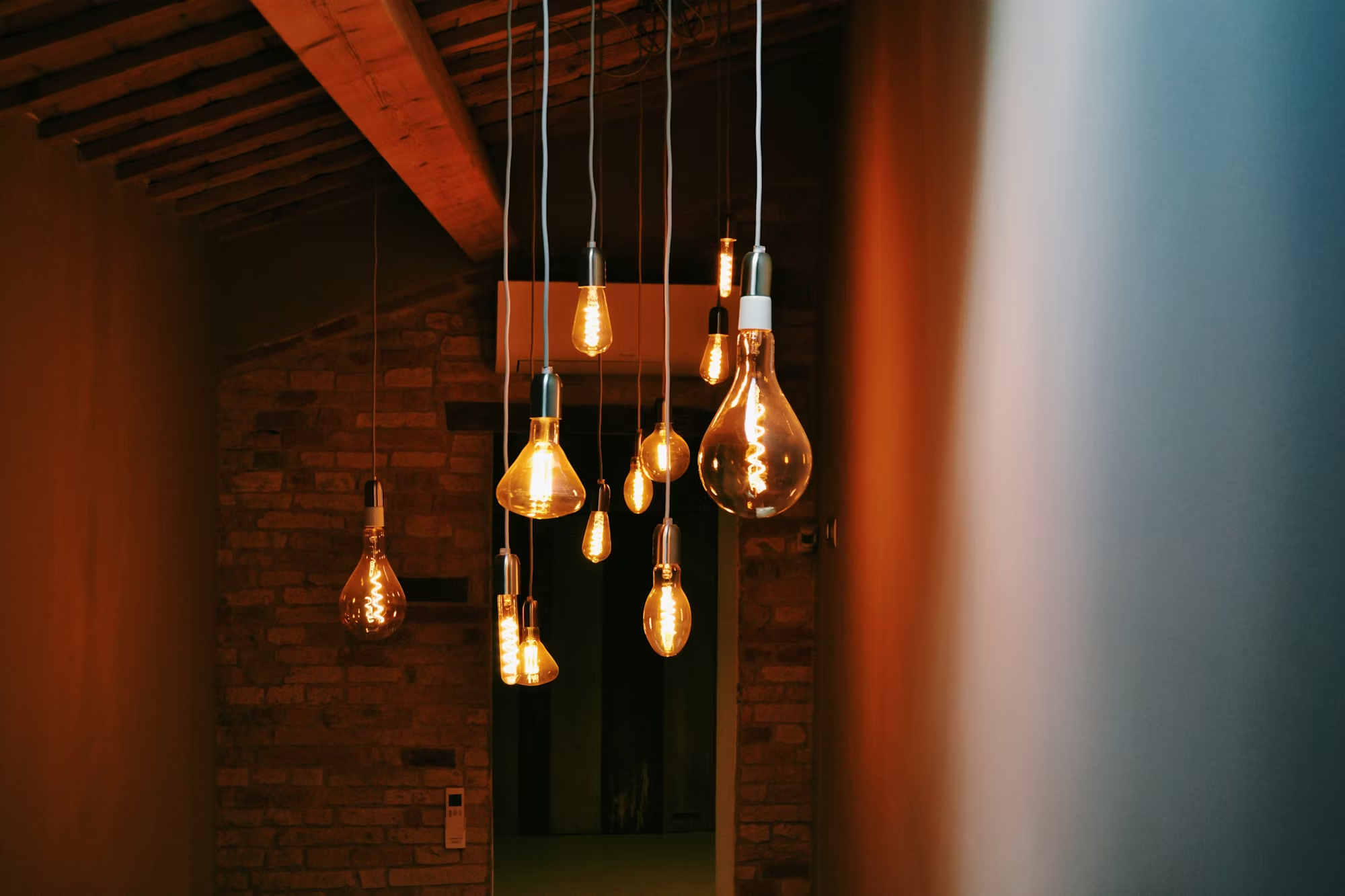
Modern kitchens increasingly feature open layouts that blend seamlessly with dining and living areas. This integration not only fosters connection but also encourages a communal cooking and dining experience. An island can serve as a multifunctional centerpiece, providing additional prep space and casual dining options. Stylish cabinetry and thoughtful design details, such as unique backsplashes or modern light fixtures, can elevate the kitchen’s aesthetic appeal, making it a space that invites family and friends to gather.
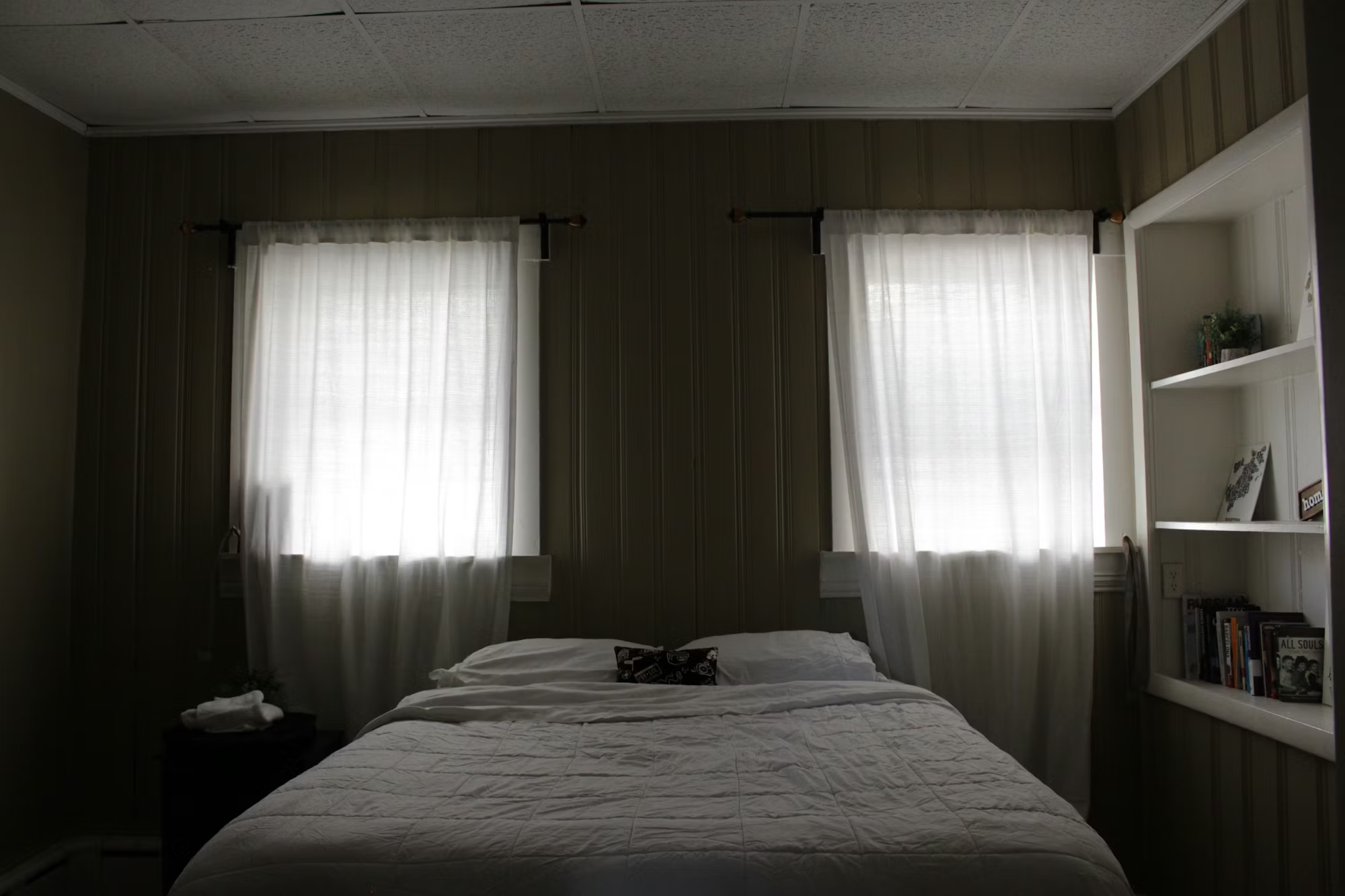
Moving on to the bedroom, this personal sanctuary should promote rest and relaxation. A well-designed bedroom is essential for quality sleep, and choosing a soothing color palette can make a significant difference. Soft, neutral tones, complemented by cozy textiles, create a calming atmosphere. The bed should be the focal point, supported by bedside tables for easy access to nighttime essentials like books or lamps.
Storage solutions are key to maintaining an organized and tranquil environment. Consider built-in wardrobes or clever under-bed storage to maximize space and minimize clutter. Personal touches, such as family photographs or artwork, can infuse the room with personality, making it a true reflection of the occupant’s style. Ample natural light, achieved through well-placed windows, enhances the room’s openness, while blackout curtains ensure a peaceful night’s sleep.
The bathroom, often viewed as a personal retreat, is another critical area where design can significantly enhance the user experience. A well-appointed bathroom should blend functionality with a spa-like ambiance. High-quality fixtures, stylish tiles, and well-planned layouts contribute to an inviting atmosphere. Features like double sinks and spacious countertops improve usability, while thoughtful details like heated flooring can add a touch of luxury.
Incorporating storage solutions for toiletries and towels is essential in creating a neat and organized space. Consider built-in shelves or cabinetry that harmonize with the overall design. Additionally, maximizing natural light can create an uplifting environment; frosted glass windows or skylights can enhance brightness while ensuring privacy. A thoughtfully designed bathroom becomes a personal oasis, encouraging relaxation and self-care.
The dining room serves as a vital space for gatherings and celebrations. This area should be designed to promote connection, offering an inviting atmosphere for shared meals. A large dining table, paired with comfortable chairs, can serve as the centerpiece for family gatherings, holiday celebrations, and friendly get-togethers. If the dining room is adjacent to the kitchen, it allows for easy flow between cooking and dining, enhancing the overall experience.
Decorative elements, such as statement lighting and elegant table settings, can elevate the dining experience. Incorporating large windows or doors that lead to outdoor spaces can create a seamless transition for al fresco dining, allowing for extended gatherings during pleasant weather. Investing in the dining room design fosters connection and makes it a memorable space for friends and family alike.
As remote work becomes more common, the home office has taken on new significance. This space should prioritize productivity while offering comfort. Essential components include a functional desk, ergonomic chair, and sufficient storage for files and supplies. Natural light is essential in a home office; windows positioned for optimal light can enhance focus and creativity, making work tasks more enjoyable.
Personalizing the office with inspiring decor or motivational quotes can create a motivating environment. An organized workspace not only boosts productivity but also contributes to the overall appeal of the home, particularly for potential buyers looking for properties that accommodate modern work-from-home lifestyles.
For those who prioritize fitness, a home gym is an attractive feature. This space should accommodate a variety of workouts, from cardio to strength training. Selecting appropriate flooring, such as rubber mats or foam tiles, ensures safety and comfort during exercise. Mirrors can enhance the space, making it feel larger while also allowing for proper form during workouts.
Including areas for yoga or meditation can further promote wellness, appealing to those focused on self-care. A well-equipped home gym not only encourages an active lifestyle but also represents a valuable asset in today’s market, where health and fitness are prioritized.
For families with children, a playroom or dedicated activity space is essential. This area should inspire creativity and provide a safe environment for play. Utilizing durable furnishings, ample storage for toys, and vibrant decor can make the playroom both functional and fun. Safety features, such as soft edges on furniture and secure storage solutions, enhance the appeal of the playroom for families, ensuring a space where children can thrive.
Creating engaging spaces for children fosters development and nurtures imagination, making the home more attractive to families seeking a nurturing environment. A thoughtfully designed playroom showcases the family-friendly nature of a home, adding to its overall marketability and charm.
Finally, a guest room is an important feature that can significantly enhance a home’s appeal. This room should be designed to make visitors feel comfortable and welcome. Quality bedding, bedside tables, and appropriate lighting are essential to ensure a pleasant stay. Thoughtful touches, like extra blankets and a small seating area, can elevate the guest experience, making them feel valued and appreciated.
Creating a guest room that balances comfort with versatility ensures that it meets the needs of visitors while also offering the potential for use as a multi-purpose space, such as an office or craft room when not occupied. This flexibility can be particularly appealing in today’s market, where buyers often seek adaptable living arrangements that cater to various needs.
In conclusion, the thoughtful design of various residential spaces is essential for creating a harmonious home environment. From the living room and kitchen to bedrooms and dedicated workspaces, each area contributes uniquely to the overall appeal and functionality of a property. By focusing on key design elements that improve usability, aesthetics, and personal expression, homeowners can create spaces that enrich their lives and attract prospective buyers. As the landscape of real estate continues to evolve, investing in effective room design remains a vital strategy for those looking to enhance their living environment and maximize property value.